








Application areas

Elop Insight shows you what's inside concrete.

Elop Insight is used wherever concrete carries load and consequences, from everyday parking structures to bridges, tunnels, dams, and critical infrastructure.

Bridges
Decks, piers, girders
Tunnels
Lining and voids
Parking structures
Slabs and decks
Buildings
Post-tensioned slabs
Dams
Walls and foundations
Nuclear and offshore
Critical structures

Every structure that relies on concrete.

Most concrete inspection challenges look different on the surface, but share the same underlying problem: you cannot see what is happening inside. Elop Insight addresses that across a wide range of asset types.

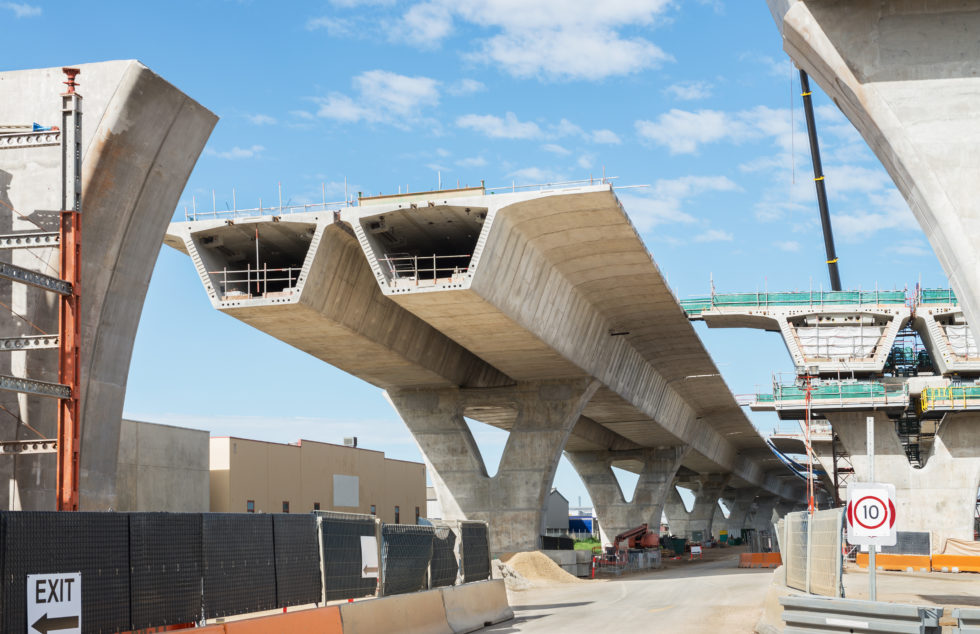
Concrete bridge structure

Bridges

Bridge decks and post-tensioned girders are demanding environments for concrete inspection. Elop Insight scans across full deck areas to detect delamination from rebar corrosion, voids in tendon ducts, and grouting defects in post-tensioned structures.

Read more
Typical findings
Delamination
Tendon duct voids
Grouting defects
Rebar corrosion zones
Thickness variation
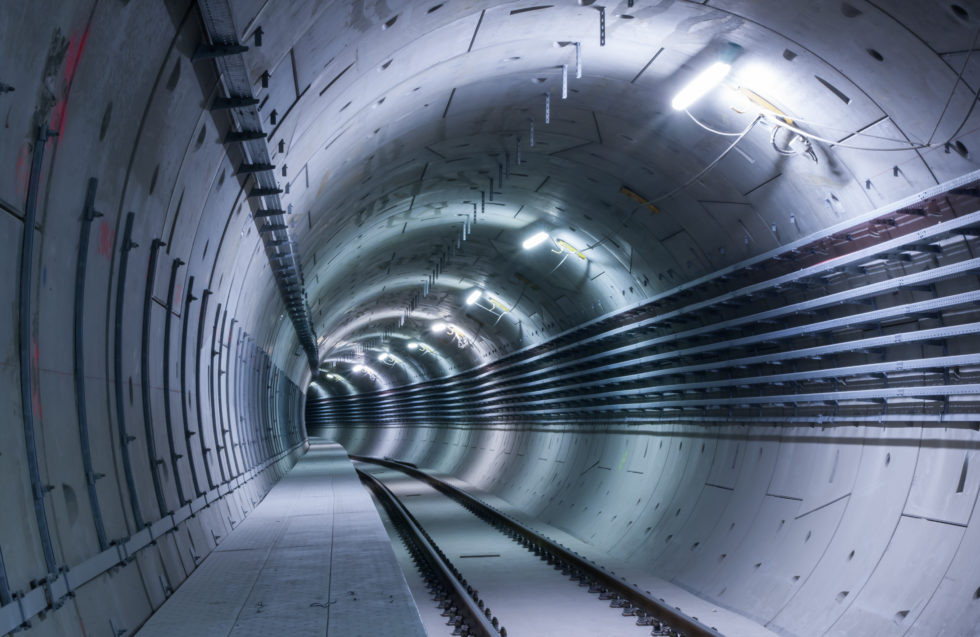
Concrete tunnel

Tunnels

Tunnel linings need to hold back water and earth while remaining structurally sound. Elop Insight can scan lining surfaces to reveal voids behind the lining, debonding between layers, and inadequate grouting without destructive access.

Typical findings
Voids behind lining
Debonding
Grouting defects
Layer separation
Parking garage

Parking structures

Multi-storey parking structures often have large areas of post-tensioned concrete exposed to water and salt ingress. With the trolley, Elop Insight can cover large deck areas quickly and make systematic inspection practical.

Typical findings
Delamination
Corrosion zones
Post-tension defects
Honeycombing
Industrial concrete floor

Buildings and floor slabs

Post-tensioned floor slabs in commercial buildings, podium decks, and industrial facilities require periodic inspection, especially when there are signs of water ingress or planned changes in use.

Typical findings
Tendon duct condition
Slab delamination
Voids
Thickness mapping
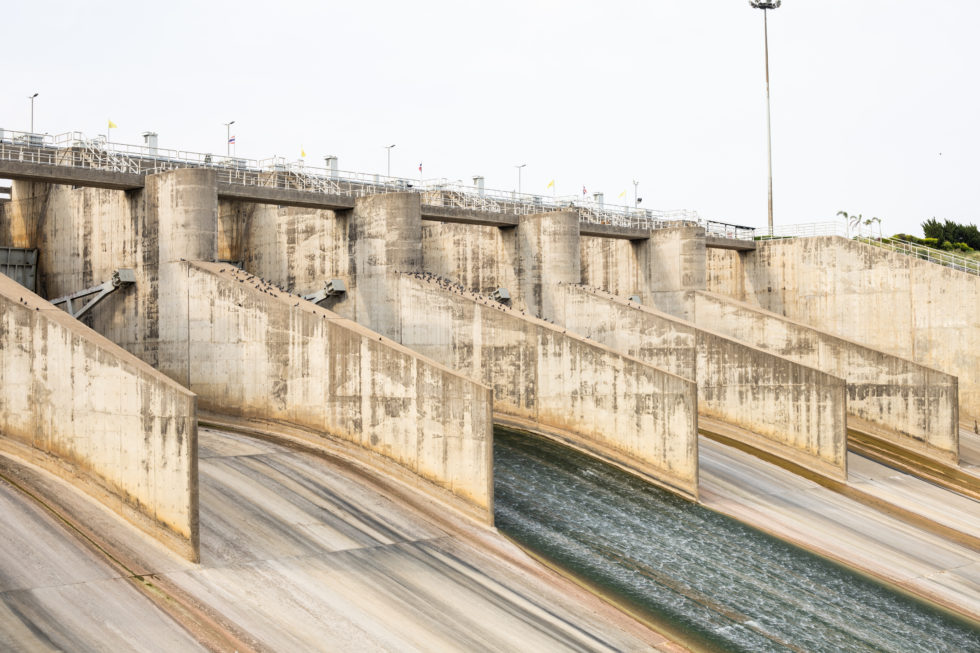
Concrete dam

Dams and hydraulic structures

Concrete dams, spillways, and water-retaining structures require long-term inspection programs. Elop Insight supports systematic scanning of large concrete faces so internal defects can be found before they become structural issues.

Typical findings
Internal cracking
Voids
Construction joint defects
Thickness assessment
Nuclear facility cooling tower

Nuclear and offshore facilities

Concrete containment structures, offshore platforms, and other critical infrastructure demand documented inspection with minimal disruption. The dry-coupling scanner avoids water or gel-based couplants while producing actionable subsurface data.

Typical findings
Wall integrity assessment
Embedded object detection
Honeycombing
Grouting quality

Efficient quality control for large areas

Ultrasonic pulse velocity testing is a proven non-destructive method for evaluating concrete quality and strength, but traditional probes are slow and limited for large-area inspections. The Insight scanner improves this by enabling fast, quantitative rolling ultrasonic scans over large surfaces using multiple wave modes to map velocity and estimate strength-related properties like dynamic elastic modulus.

This allows rapid identification of low-quality zones, targeted follow-up with 3D tomography, and a major reduction in time, cost and the need for destructive core drilling.

Read more


Inspect for accurate concrete thickness

Is your concrete slab or wall built to the correct thickness? Even small deviations can compromise structural integrity and safety. Our Insight scanner provides a definitive answer without destructive coring.

While confirming thickness, the scan also maps embedded objects and internal voids, ensuring a complete quality assessment of the as-built structure.

Read more

Nine defect types.
One scan.

The same rolling pass that covers the surface captures data on all detectable defect types simultaneously, with no separate setup for each finding.

Delamination

A subsurface separation that occurs horizontally within the concrete slab, splitting the concrete into internal layers. Typically caused by corrosion of internal steel rebar.

Debonding

The separation of two different concrete placements or materials where they meet. This happens when a new concrete overlay or repair mortar fails to stick to the existing, hardened base concrete.

Honeycombing

Areas of the concrete where the fine mortar failed to fill the spaces between the coarse aggregate stones, leaving a cluster of empty air pockets.

Tendon ducts

Location and condition assessment of post-tensioning ducts in concrete structures.

Air pockets

Trapped air inclusions that reduce the compressive strength of the concrete. Large voids mean there is less solid mass to carry the weight.

Grouting defects

Incomplete grouting in tendon ducts - a leading cause of corrosion in post-tensioned structures.

Fiber reinforcement

Imaging and quality control of fiber-reinforced concrete elements and SFRC slabs.

Thickness and backwall

Accurate thickness measurement and backwall detection across the full scan area.

Things people usually ask us.

Does it work on all concrete surfaces?

Elop Insight works on most horizontal and near-horizontal concrete surfaces. Very uneven or heavily textured surfaces may require assessment, so contact us to discuss the specific structure.

How deep can it detect defects?

At a 100 kHz centre frequency, Elop Insight can typically detect defects at depths between 50 mm and 1000 mm, depending on concrete quality and defect type. Under favorable conditions, thickness measurements, defects and anomalies may be detected at depths of up to 2000 mm.

Does the structure need to be taken out of service?

Not necessarily. Because the scanner requires no drilling, gel, or access to both sides of the structure, inspections can often be carried out while assets remain in partial or full operation.

Can I compare results from different inspection dates?

Yes. The Elop Insight Portal stores scan data from inspection sessions so teams can compare 3D results over time and track whether defects have grown, stabilised, or been repaired.

Is it suitable for a feasibility or pilot inspection?

Yes. Many clients start with a limited pilot scan, such as a single bridge span or one level of a parking structure, before planning a full inspection program.

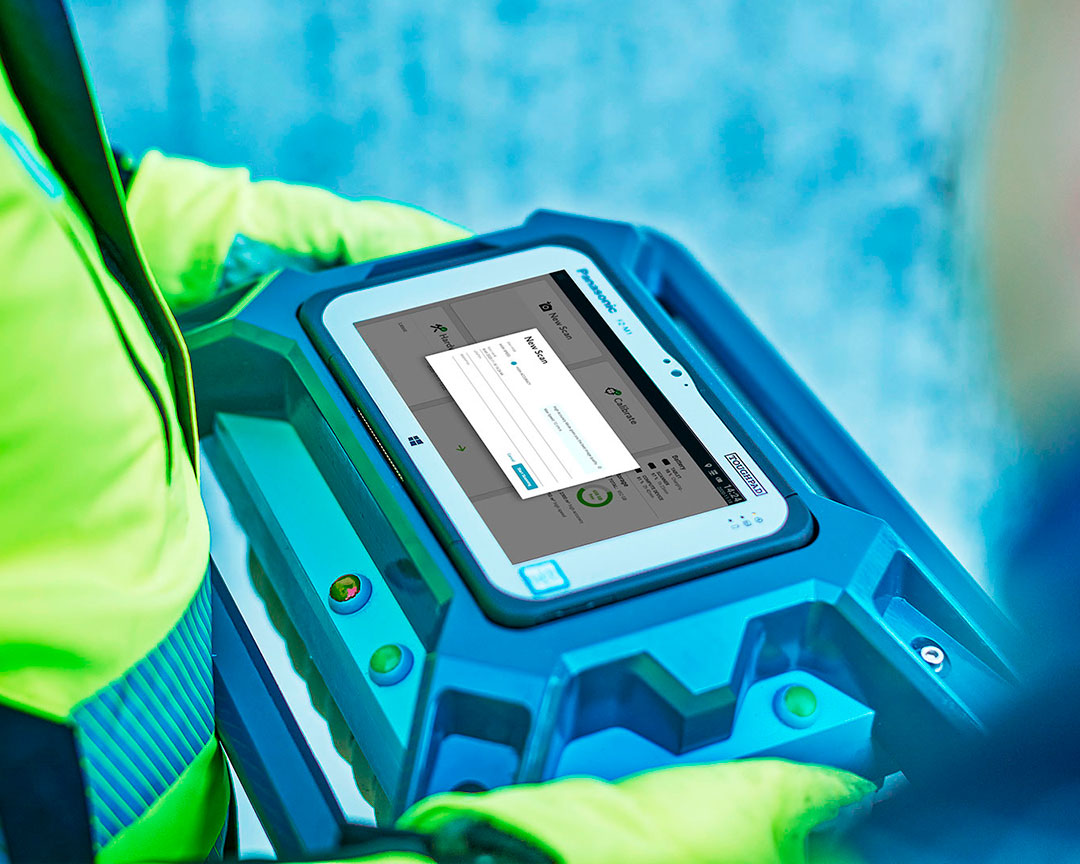
Scanning process photo